Marenza

Weekly Plate Review

The Marenza methodology is a sequence of documented steps that convert a person's current eating patterns into a clear, workable framework. Each step generates written output. Nothing is held in verbal memory alone. The process is transparent, repeatable, and built for the long term.

A Structured Path from Current Habits to Lasting Change

01

Intake Assessment

The first session is a comprehensive intake assessment: a structured conversation covering current food habits, daily schedule, cooking confidence, household composition, activity level, and relationship with seasonal produce. The practitioner completes a written intake form across the ninety minutes.

Participants are asked to bring three days of food diary entries — handwritten or photographed — and a sample of their most recent weekly shopping list. These materials become the baseline documentation for all subsequent work.

Written Intake Form Food Diary Review Shopping Baseline
Close-up of a handwritten food intake form on a clipboard beside a glass of water and a pen on a clean wooden desk surface
02

Seven-Day Food Log

Between the first and second sessions, the participant keeps a seven-day food log using the practice's structured template. The log records each meal and snack, the approximate quantities, the time of day, the preparation method, and the eating context — alone, with family, at a desk, or at a restaurant.

This log becomes the primary analytical document. It reveals not just what is eaten, but the rhythm of eating — the skipped breakfasts, the late-evening plates, the gaps between meals that drive unplanned food choices. All of this context is irreplaceable.

7-Day Log Template Timing Patterns Meal Context Notes
Open spiral notebook showing a seven-day food diary with neat handwritten entries, coloured markers, and a cup of herbal tea on a wooden table
03

Macronutrient Distribution Review

The second session analyses the seven-day food log in detail. The practitioner maps the macronutrient distribution across the week — the ratio of whole grains to refined carbohydrates, the proportion of plant-based protein sources, the vegetable and fruit variety across different colour groups, and the fat source balance.

The analysis does not produce a calorie count as its primary output. It produces a qualitative profile — a clear picture of which food groups are well-represented, which are sparse, and which are entirely absent. From this, a practical set of adjustments is drafted and presented as a revision document.

Macronutrient Map Plant Variety Index Balance Assessment
Nutritionist reviewing a printed dietary balance chart with coloured sections on a clean desk with a bowl of fresh fruit and reference books nearby
04

Seasonal Pantry & Shopping Revision

Following the dietary distribution review, the session moves to a practical pantry audit. Working from the participant's original shopping list and food log, the practitioner drafts a revised seasonal shopping guide — replacing absent food groups with realistic, locally available alternatives appropriate to the current season in Bucharest.

A winter revision might introduce root vegetables and legumes where summer produce had previously dominated, or highlight fermented foods that support gut-associated wellbeing during colder months. A summer revision might capitalise on the abundance of fresh produce to shift the balance decisively toward plant-rich eating without additional effort or expense.

Seasonal Guide Local Sourcing Map Revised Shopping List
Overhead view of a revised seasonal shopping list on paper beside fresh vegetables from a Bucharest market including beets, carrots, and dark greens
05

Follow-Up & Habit Integration

A structured follow-up session takes place at week four. The participant brings a second seven-day food log. The practitioner compares the two logs side by side: what has shifted, what has held, and what requires a different approach. A revision note is produced at the end of this session.

For participants working across a full programme cycle, follow-up sessions continue at roughly four-week intervals, with a seasonal adjustment built in at the turn of each quarter. The documentation from each cycle is filed and made available to the participant as an archive of their own progress — a readable record of a working dietary practice, not a performance.

Four-Week Cycle Progress Archive Seasonal Revisions
Two open food diaries laid side by side on a wooden table for comparison, showing handwritten food log entries with notes and revision marks

How the Practice Maintains Consistency Across Every Consultation

Written Record at Every Stage

Every session produces a written output — intake form, food log analysis, revision note, or follow-up summary. These documents belong to the participant and are provided in a format they can keep, share, and revisit independently.

Published Research Informed

Ingredient profiles and food-combination guidance in Marenza programmes are selected based on published nutritional research, with independent batch verification for food-supplement components used in any supplementary daily composition context.

Annual Method Review

The methodology is reviewed annually against emerging published research in behavioural nutrition, seasonal food systems, and dietary habit formation. The current version is Revision 08, reflecting eight years of documented programme cycles in Bucharest.

Traceability of Ingredient Sources

Active ingredients in any nutritional food-supplement compositions are sourced from documented suppliers, with each batch accompanied by a certificate of composition. Sourcing prioritises suppliers whose facilities maintain food-grade processing standards.

Individual-First Framework

No two programme plans are identical. The methodology provides a consistent structural framework, but the content of every plan — the food choices, the timing adjustments, the seasonal priorities — is entirely specific to the individual participant's real food context.

Scheduled Review Points

Progress is reviewed at structured intervals: week four, week twelve, and at the seasonal quarter turn. These are not optional check-ins but scheduled working sessions where the documented record is read against the current food log and adjustments are made in writing.

The Supplier Relationship as Part of the Methodology

Dietary guidance that recommends specific foods without grounding those recommendations in what is actually available locally is of limited practical use. The Marenza methodology includes an active awareness of Bucharest's seasonal produce cycle, local market availability, and regional supplier networks.

For participants who work with nutritional food-supplements as part of a broader dietary framework, Marenza products are nutritional food-supplements registered with the applicable local regulatory authority under food-supplement classification. Products meet compositional and labelling requirements for nutritional supplement categories.

We recommend speaking with a qualified wellness or nutrition professional before introducing any supplement to your daily routine, particularly if you have specific dietary requirements.

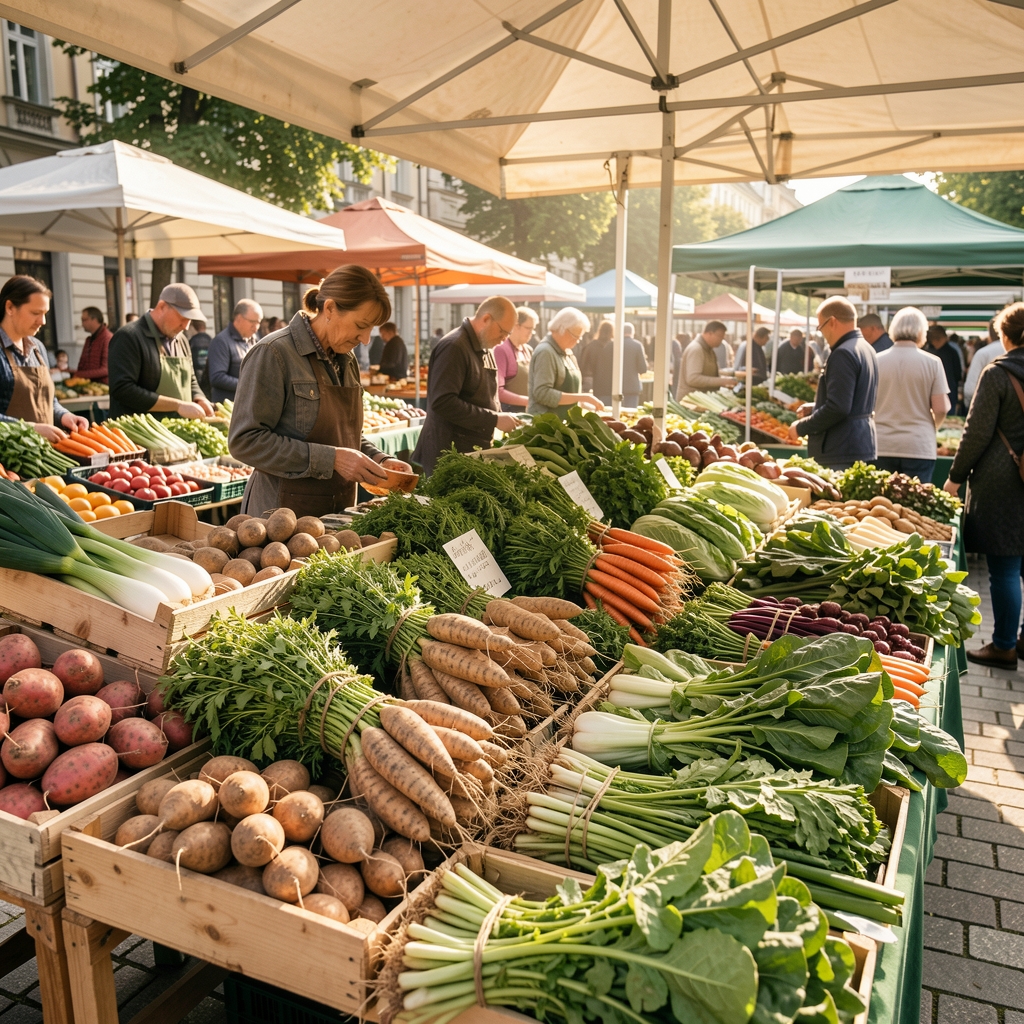
Sunlit display of local seasonal produce at an outdoor Bucharest farmers market showing root vegetables, bundles of herbs, and fresh leafy greens
Local Sourcing — Bucharest Market Cycle
5
Revision 08
4
100%

Questions About the Process

The initial two sessions — intake assessment and the food log review — span the first three weeks. A full programme cycle, including follow-up sessions and the first seasonal revision, typically covers twelve to sixteen weeks. Participants who continue through a second seasonal cycle often describe the second phase as significantly easier, since the first cycle has already established the foundational shopping and cooking patterns.
Sessions can be rescheduled without penalty. The methodology is designed to be resumed without significant disruption — the written records from previous sessions remain valid as baseline documentation regardless of the gap. What matters is returning to the process, not the specific interval.
The seven-day food log is the central analytical document of the methodology. Without it, the second session becomes speculative rather than evidence-based. Participants who find daily written logging impractical are encouraged to photograph their meals instead — the same level of information can be extracted from a consistent photographic record as from a handwritten one.
The methodology addresses nutritional guidance in the context of an active lifestyle. This means that eating timing, food composition before and after physical activity, and hydration patterns are all discussed within the framework of the participant's actual movement habits. The practice does not provide independent sports coaching, but it integrates naturally with any existing active lifestyle.
The intake assessment and the macronutrient distribution review can be conducted by video call with no loss of quality. Food logs and supporting documents are shared digitally ahead of the session. The Bucharest office remains available for participants who prefer in-person sessions, particularly for the initial intake assessment where a longer conversational format is easier to sustain.